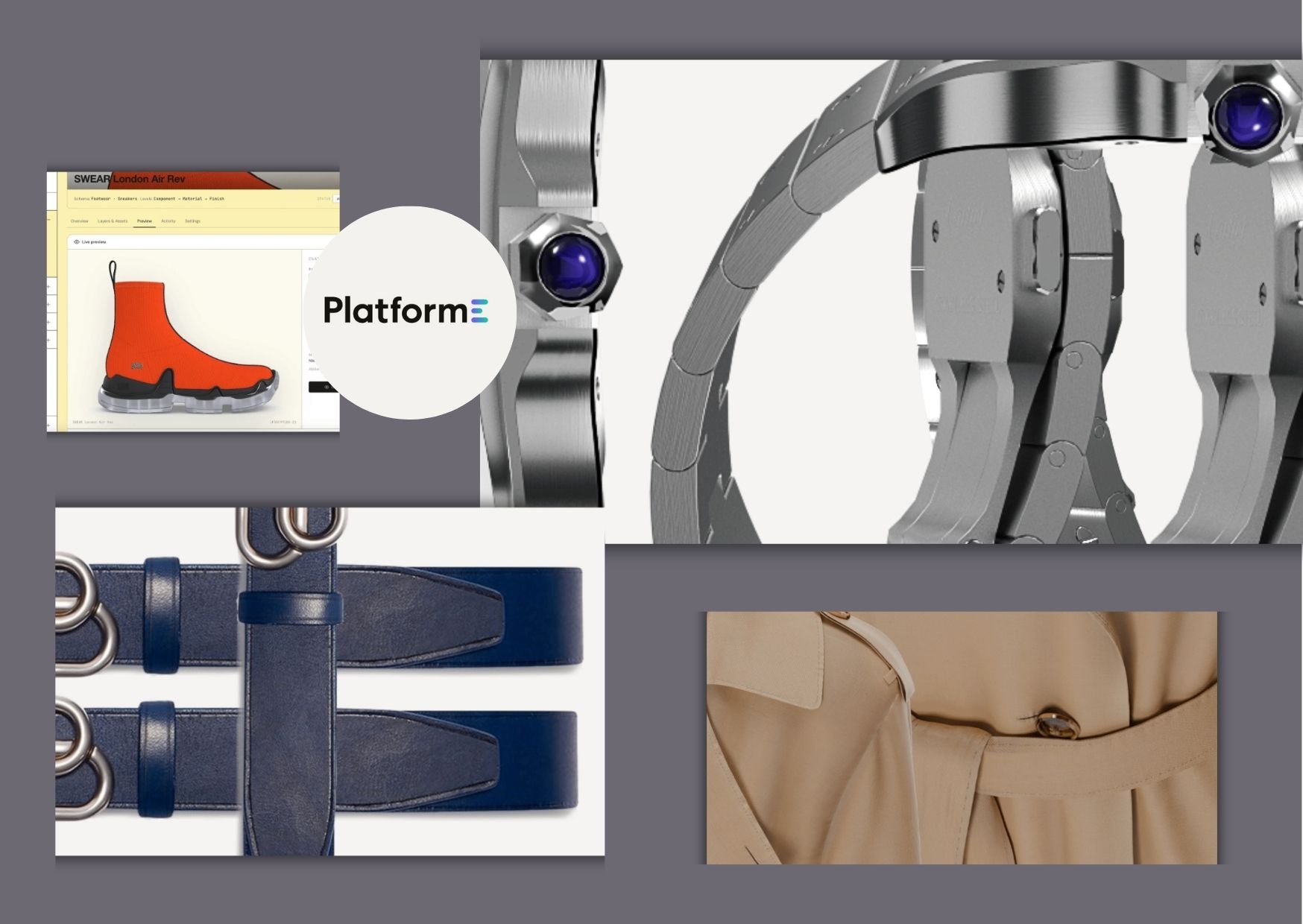
Quality Starts with Clear Product Options
Customers trust a store when they can see what they will receive, not just how it might look. ecommerce product personalization When shoppers can preview choices before checkout, fewer items end up wrong, and confidence rises because expectations are aligned. This clarity also reduces support tickets by preventing guesswork around selections and product standards.
A strong quality-first approach goes beyond offering options; it sets boundaries that protect both the buyer and the brand. A well-designed product configurator software flow can prevent incompatible combinations, such as selecting a finish that does not work with a particular base or accessories that do not suit a chosen size. Instead of displaying confusing error messages, the interface can guide customers toward valid configurations with helpful prompts. That kind of frictionless guidance makes personalization feel reliable, which is exactly what builds long-term trust.
Visual Proof and Spec Accuracy Reduce Returns
Personalization should feel tangible, and visuals are the fastest way to deliver that certainty. High-quality previews—whether image-based, 3D, or augmented—help shoppers evaluate design details like typography, placement, stitching, engraving depth, or pattern alignment. When customers can zoom in and confirm product configurator software placement, they are less likely to be surprised by the final result. That “visual proof” is a powerful quality signal, because it shows the brand invests in accuracy rather than relying on vague descriptions.
Trust also depends on technical consistency. Product details like dimensions, tolerance, and packaging requirements should be displayed in plain language, with customization rules clearly stated. If a customer selects a custom sleeve length or a tailored component, the system should carry those specifications into production so the finished item matches the configuration. When the online configuration and the made-to-order output stay synchronized, returns drop and reviews improve, creating a reinforcing loop of confidence and credibility.
Operational Reliability Makes Personalization Sustainable
Quality in personalized commerce requires dependable production workflows, not just attractive marketing. Brands need a process that translates selections into accurate manufacturing instructions, including part requirements, labeling, and assembly steps. When the platform handles these details, the customer experience becomes consistent across orders, even during high traffic periods. That operational reliability matters because late deliveries, missing components, or incorrect customization details quickly erode trust.
Integration is where many personalization efforts succeed or fail. A product configurator should connect to inventory and production systems so the configuration reflects real capabilities and stock availability. If a chosen option is temporarily unavailable, the experience should guide the shopper toward alternatives rather than allowing checkout and delaying fulfillment. When customers feel that their selections are respected and processed correctly, personalization shifts from a novelty into a dependable shopping method.
Conclusion
Trust and quality are inseparable in personalized commerce, because customers want both creative control and dependable results. When personalization interfaces communicate valid choices clearly, provide high-fidelity previews, and preserve accurate specifications through production, the shopping journey feels safe. That confidence leads to better conversion rates, fewer returns, and more enthusiastic reviews that reinforce the brand promise over time. PlatformE supports this trust-focused approach by helping brands deliver personalized experiences while connecting customization with efficient made to order production. The result is personalization that feels premium to shoppers and practical for operations, helping brands earn credibility one order at a time on PlatformE.
