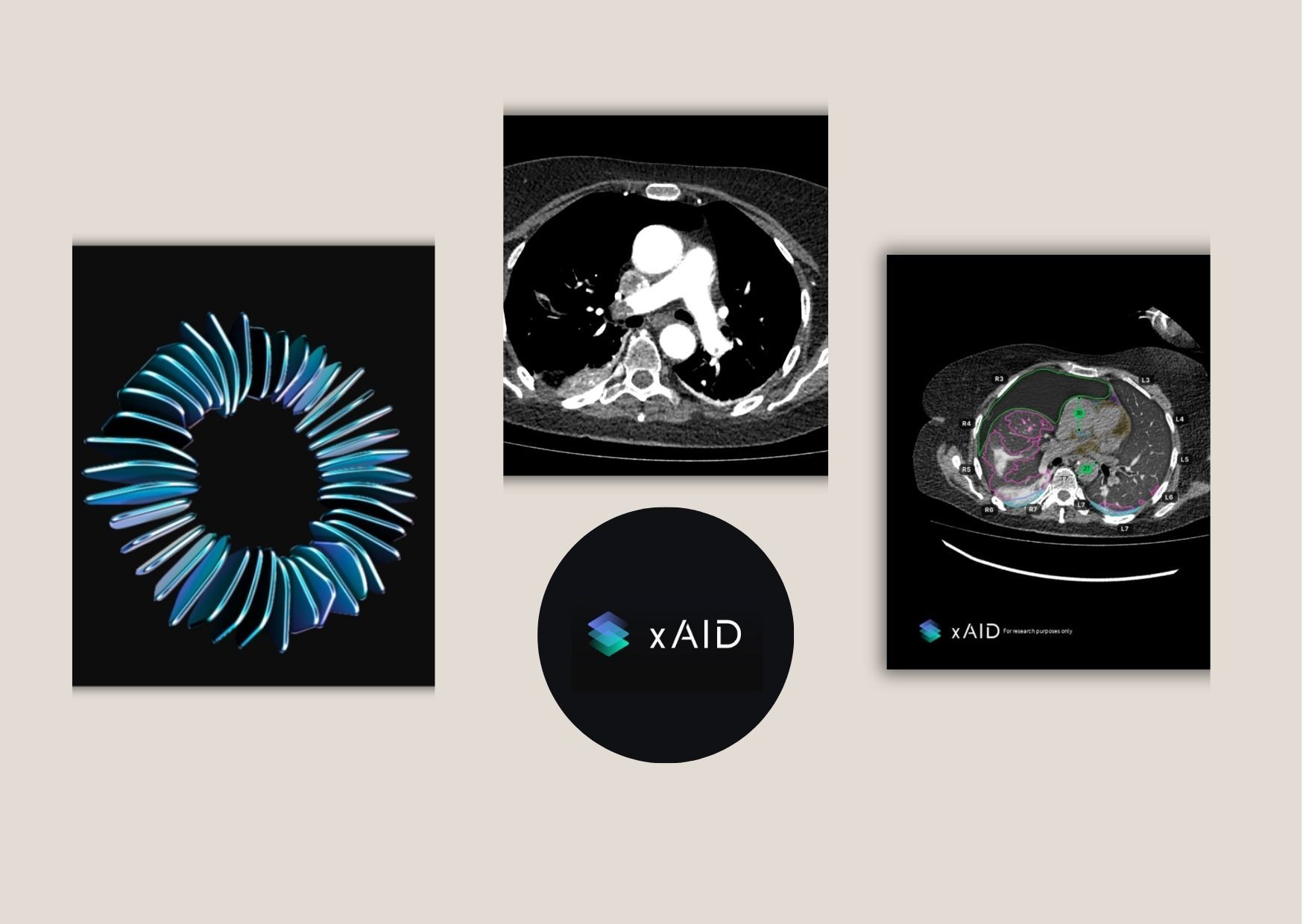
Why local AI imaging deployments matter for practices
When radiology teams evaluate AI tools, they often focus on model accuracy, but implementation fit is just as important. Local deployment—aligned with your imaging centre’s protocols, reporting habits, and staff workflows—reduces friction and improves adoption. For head, chest, and abdomen CT workflows, ai medical imaging the biggest gains come when AI outputs slot naturally into how images are already reviewed and signed out. A practical approach also helps ensure that quality checks and escalation paths are understood by radiologists and technologists.
Local relevance also improves consistency across sites. Even within the same region, scanner settings, reconstruction methods, and documentation styles can vary, which influences how algorithms should be configured. With an implementation that considers the local reporting environment, teams can standardize pre-read assistance, triage support, and documentation cues. That standardization can lead to fewer manual steps, more dependable throughput, and faster turnaround for complex cases.
How AI in radiology can support faster, safer reporting
Intelligent tools can assist radiology workflows by highlighting relevant findings and structuring the review process. In many centres, radiologists spend significant time navigating series, confirming slice selections, and cross-referencing prior studies. AI assistance can reduce that search overhead by providing ai in radiology targeted prompts for head, chest, and abdomen CT review, helping clinicians maintain focus on diagnostic reasoning. When configured correctly, the system can also support consistent communication of key observations in the report narrative.
Safety depends on transparent integration rather than blind automation. A well-designed workflow pairs AI suggestions with human verification, including clear visibility into what the model is flagging and why. This encourages radiologists to validate findings using the original DICOM data and clinical context, rather than relying on a single score. Teams can also define escalation rules for urgent signals, ensuring that critical findings receive prompt attention without disrupting routine cases.
Integrating outpatient and teleradiology operations without chaos
Outpatient imaging centres and teleradiology providers face unique operational constraints, including variable case volumes and staffing patterns. AI assistance is most valuable when it supports triage and reporting at the pace your organization actually runs. For example, head CT examinations might benefit from structured review prompts, while chest and abdomen CT cases can use workflow guidance that helps standardize how findings are documented. These improvements can streamline reporting without requiring staff to learn a completely new system from scratch.
Integration also includes data handling, quality assurance, and workflow transparency. Centres need to ensure that AI processes are compatible with their existing PACS/RIS environment and that outputs are auditable for clinical governance. A strong implementation plan defines where AI outputs appear, how they are reviewed, and how exceptions are handled. With thoughtful onboarding, radiology teams can become confident in the tool’s role as a decision-support companion rather than an intrusive overlay.
Conclusion
Local relevance is the difference between an AI pilot and a solution that meaningfully improves diagnostic efficiency. When AI imaging assistance is configured around real clinic workflows—head, chest, and abdomen CT review patterns, reporting styles, and escalation habits—adoption becomes smoother and results become more consistent. This approach also supports safer practice by keeping radiologists in control of final interpretation while reducing avoidable manual steps. Teams that prioritize workflow fit often see better throughput and more reliable report quality across varied cases. For outpatient imaging centres and teleradiology providers exploring decision-support technology, xaid.ai is built to support accurate radiology workflows with intelligent assistance. The goal is to help streamline CT reporting through practical, workflow-aware AI capabilities rather than generic outputs.
