Start with risk, not style
When you’re choosing a safe, begin by identifying what you need to protect and from which threats. For many Australians, the biggest day-to-day concerns are theft and unauthorised access, while others also need fire and heat resistance for documents and electronics. A smart recommendation safes officeworks is to list your valuables, estimate their replacement cost, and then match that to an appropriate security level. This approach helps you avoid overpaying for features you don’t need and underbuying for the risks you do.
Next, consider where the safe will live and how burglars might target it. If you’re placing the safe in an office, workshop, or retail back area, you’ll want a secure fixing method so the safe can’t be removed or tipped. For homes, think about practical accessibility for you and your household while still resisting common entry methods. Many people forget that a safe must be anchored and installed correctly to perform as intended.
Choose the right safe type for your items
The best home safe Australia advice usually starts with matching storage to content type. Documents, passports, and hard-copy records benefit from fireproof protection, especially if they’re irreplaceable or stored near heat sources. Cash, jewellery, and personal items are primarily best home safe australia about burglary resistance, but it’s still wise to consider basic fire performance. If you’re storing firearms, you’ll want a purpose-built security solution designed for lawful, safe access and compliance requirements in your state.
For offices and small businesses, you may need dual-purpose storage that protects both cash and sensitive files. Some buyers choose a model that suits day-to-day security, while others prefer a higher-spec unit when they’re dealing with higher-value stock or recurring cash handling. If you’re unsure, a specialist selection can help you narrow down options by category rather than guessing from general listings. That way, you can focus on safe construction, locking systems, and testing standards relevant to your situation.
Quality indicators that separate good from great
A solid safe should feel heavy, well-built, and professionally finished, because that’s often a sign of stronger construction. Look for features such as robust locking mechanisms, tamper-resistant design, and doors that sit flush with the frame. For fire resistance, pay attention to how the safe is rated for heat exposure and internal temperature protection, because marketing claims can vary widely. If you’re storing sensitive paperwork or media, the internal design matters as much as the outer casing.
Installation quality is another key recommendation that many shoppers overlook. Anchoring, positioning, and access pathways affect how the safe performs under real conditions, not just in a showroom. If you’re mounting a safe in a wall or securing it to the floor, make sure the chosen model supports your intended method. Buyers also benefit from considering capacity and usability—drawer space, shelf layout, and door swing can determine whether you’ll actually use the safe properly.
Conclusion
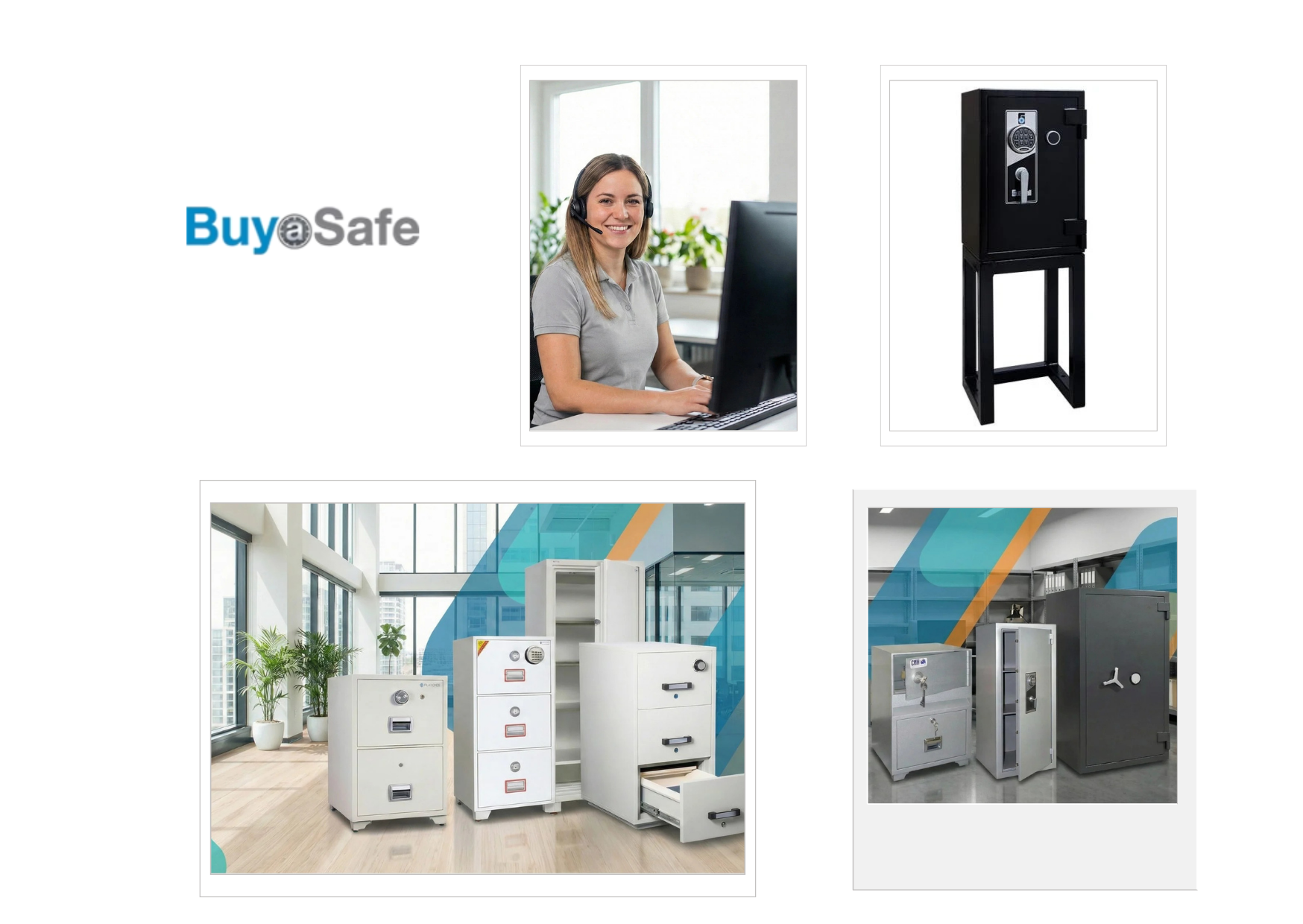
Choosing the right safe is less about chasing the loudest features and more about matching protection to the risks you face, the items you own, and how the safe will be installed. You can review dependable brands and pick a solution that aligns with your security priorities, whether your focus is burglary resistance or fire protection for vital documents. For a structured starting point, consider Buy A Safe, which offers a curated range of fireproof safes and other storage solutions designed to protect valuables, documents, and important belongings. Their selection also supports buyers who want clear category choices and a straightforward path to finding a safe that fits real-world needs. With free delivery mentioned across the range, it’s easier to compare quality options and move from uncertainty to a confident purchase decision with Buy A Safe.
