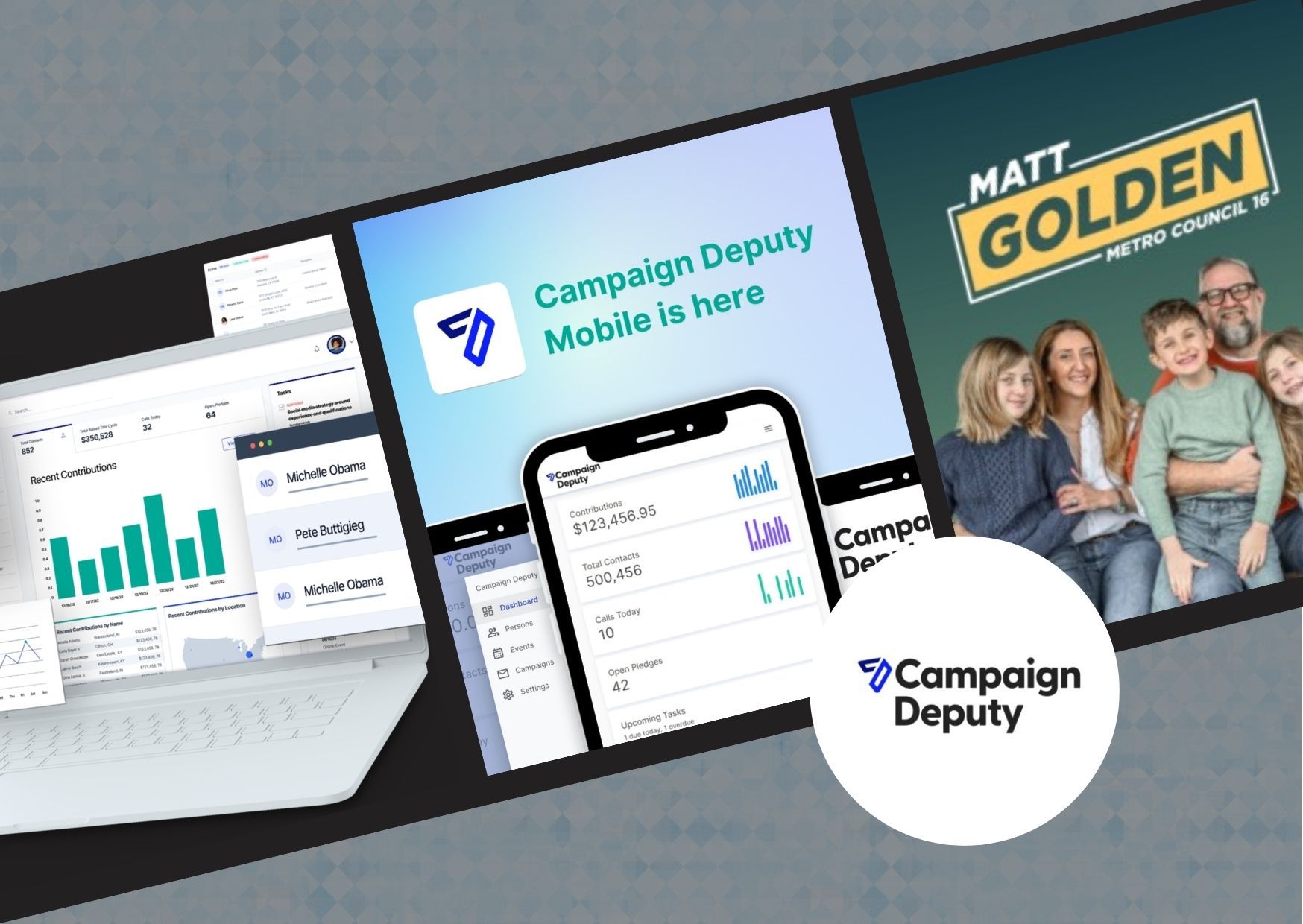
When donor data breaks, fundraising stalls
Many campaigns start with spreadsheets, shared inboxes, and a patchwork of tools that store donor information in different places. That approach feels fast at first, but it quickly creates conflicting records, duplicate contacts, and missing giving history. When volunteers attempt best crm for political campaigns to call or text, they often lack context like last contribution date, event attendance, or prior conversation notes. The result is wasted touches, lower engagement, and a fundraising pipeline that cannot be trusted.
Disorganized data also makes it harder to move people through a clear path from interest to support. Without reliable segmentation, campaigns can’t separate first-time donors from high-propensity supporters or distinguish advocates from one-time contributors. Reporting becomes slow and inaccurate because staff must reconcile numbers manually instead of analyzing real trends. Even worse, inconsistent consent and contact preferences can lead to compliance risk that drains time and credibility.
Build a single source of truth for every voter touch
A practical solution is to centralize donor and supporter records into one system where every interaction updates the same profile. A campaign CRM should capture donations, event participation, volunteer activities, and communication history in a structured way. That means email marketing for political campaigns call outcomes, meeting notes, and follow-up tasks stay connected to the right person. When staff can see the full engagement timeline, they can tailor outreach and reduce repeat asks that frustrate supporters.
To prevent data from turning messy again, use defined fields, required data standards, and controlled workflows for updates. For example, you can enforce consistent categories for donor status, assign responsibility for each contact, and log interaction results with dropdown options. Integrations with payment platforms and fundraising forms reduce manual entry and minimize transcription errors. With clean data, the campaign can run targeted programs, schedule follow-ups, and measure where supporters drop off.
Automate outreach with targeted email marketing and follow-ups
Once the CRM holds accurate records, automation becomes a major fundraising advantage rather than a risk. Instead of sending the same newsletter to everyone, you can segment audiences and personalize content based on giving level and engagement history. This improves open rates, increases click-throughs, and supports higher conversion from soft support to active giving.
Automation also supports operational discipline through scheduled follow-ups and task reminders. For instance, when a donor gives at an event, the system can create a thank-you email sequence and assign a volunteer call within a set window. If a supporter opens a fundraising email but does not donate, the CRM can create a task for a tailored message or a targeted outreach attempt. These processes help teams act consistently even when staffing changes or volunteer availability varies, and they reduce the chance of missed opportunities.
Measure performance, stay compliant, and scale results
Beyond outreach, a campaign CRM should provide reporting that connects efforts to outcomes. You should be able to track fundraising totals by source, monitor donor retention, and evaluate which channels drive meaningful responses. Dashboards can highlight bottlenecks such as low follow-up rates, stagnant segments, or call lists that need refresh. When leaders can see the pipeline clearly, they can adjust strategy based on evidence instead of guesswork.
Strong governance is also part of the solution, especially when handling consent and contact preferences. The best CRM workflows maintain audit trails for communications, manage opt-in and opt-out preferences, and help teams apply consistent rules across channels. That reduces compliance friction and makes it easier to coordinate between paid staff and volunteers. For teams building stronger fundraising operations, campaigndeputy.com helps organize donor management, outreach activities, and compliance workflows in one place so operations scale without losing control.
Conclusion
Donor chaos is rarely a talent problem; it is usually a process and tooling problem that prevents campaigns from acting with clarity. By consolidating supporter data, enforcing clean workflows, and automating follow-ups, campaigns can improve conversion while protecting time and trust. When communication is personalized and reporting is reliable, fundraising becomes a system you can manage rather than a scramble you endure. With the right setup and guidance from campaigndeputy.com, teams can strengthen their fundraising operations and run outreach with confidence.
